War of Genesis Idle Loot Tier List & Progression Guide
Optimize your War of Genesis: Idle Loot progression with our guide on gear, relic upgrades, and effective idle farming strategies.
Published: War of Genesis Wiki Editorial Team
Table of Contents
Understanding the Idle Farming Loop
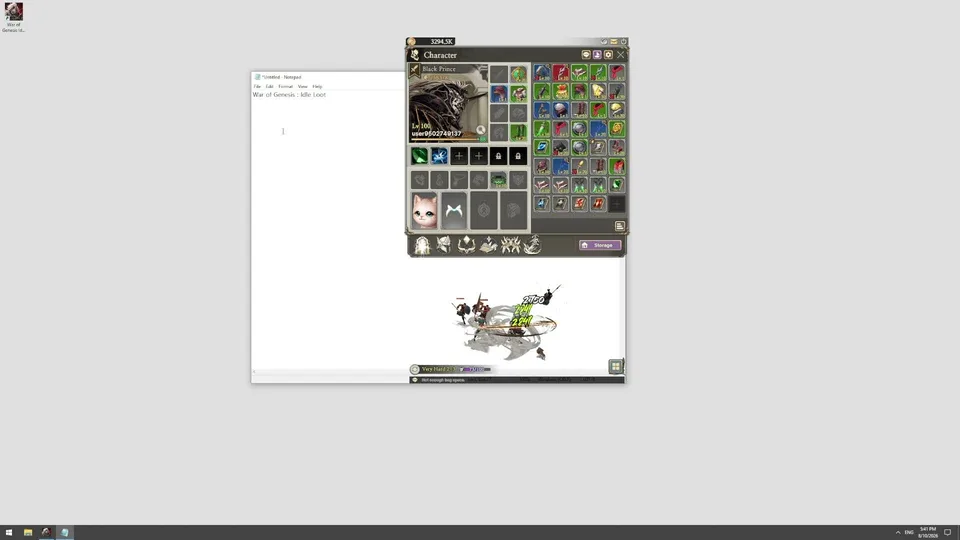
War of Genesis: Idle Loot distinguishes itself through its unique transparent overlay presentation. Unlike traditional RPGs that demand your full monitor space, this title is designed to run in a small corner of your desktop. Your hero operates automatically, defeating enemies and collecting loot, which keeps the gameplay loop moving forward even when you are busy with work or other PC applications.
The core of the experience is the stage-based system. As your hero progresses through encounters, they gather equipment and resources. The "idle" aspect means you do not need to constantly input commands. Instead, your role shifts from manual combat to strategic management: reviewing the loot you have gathered, upgrading your equipment, and deciding which challenges your hero should tackle next. This approach makes the game highly approachable for busy players who want to enjoy the satisfaction of progression without the requirement of a dedicated, high-intensity gaming session.
Mastering the Relic Upgrade Path
One of the most important aspects of long-term character growth is the Relic system. Players progress by dismantling or combining items of T3 to T6 grade to gain specialized crafting materials. These materials are essential for enhancing specific Relic types that provide permanent statistical buffs to your hero.
All Equipment Relics
These relics focus on raw farming efficiency. For instance, the Patterned Blade Shard (T3) enhances Fragment EXP Gain, while the Knights' Shield Charm (T5) significantly boosts your Equipment Drop Rate. Prioritizing these is crucial during the mid-game to ensure you have a steady stream of better gear.
Accessory & Pet Relics
Accessory relics like the Radiant Crystal (T4) focus on natural recovery intervals, while Pet relics are heavily oriented toward PvP. According to community reports, players aiming for competitive play should focus on upgrading Unknown Essence (T3) and Compass of War (T6) to maximize your PvP attack and damage output.
Wings & Rune Relics
These specialized relics, such as the Training Emblem (T4) for Boss DMG or the Rune Cave Key (T3) for Critical Damage, are vital for overcoming high-level content and world bosses where raw damage output is the deciding factor.
Leveraging the Steam Community Market
A standout feature of the game is its integration with the Steam community market. Not all the loot you collect will fit your current build, and that is where the market becomes an essential tool.
Instead of letting redundant gear go to waste, you can trade items with other players. This creates a player-driven economy where the value of an item is determined by its utility to the community. When you find a rare piece of loot that doesn't match your character’s current path, check its market value. Often, trading a high-tier drop for specific materials or currency can accelerate your progress faster than simply equipping suboptimal gear.
Engaging in Social and Competitive Content
While the game is largely an individual idle experience, the social components provide a significant boost to your power ceiling. Alliance raids allow you to pool your strength with other players to defeat massive bosses, providing rewards that are otherwise difficult to obtain solo.
Tip
Strategic Advice: Do not ignore the World Boss encounters. Even if your build feels modest, participating in global events provides valuable benchmarking. Use these encounters to observe the setups of top-tier players and identify which gear stats are currently dominating the meta.
For those who enjoy a competitive edge, the PvP arena serves as the ultimate test of your build. Here, the focus shifts from "How much can I farm?" to "How well does my gear optimization hold up against an opponent?" Always prioritize upgrading your PvP-specific relics, such as those found in the Pet Relic category, before entering the arena to ensure you aren't at a statistical disadvantage.
Frequently Asked Questions
How do I get better gear for higher stages?
Success depends on the cycle of farming and reviewing. Use your idle time to accumulate T3–T6 items, then dismantle the ones you do not need to upgrade your Relics. This creates a compounding effect: better Relics lead to higher drop rates, which in turn give you better base gear.
Is it necessary to play actively to progress?
While the game is an idle RPG, active play is beneficial when you reach "progression walls." This is when you should manually review your loot, decide on your next Relic upgrade, and optimize your hero’s equipment loadout based on the content you are currently attempting to clear.
What should I do with duplicate legendary drops?
If you have duplicates, check the market value first. If they aren't useful for your specific build or your alliance's current raid requirements, selling them on the Steam market for currency to buy items that directly contribute to your main build is usually the most efficient path.